Awareness of Transportation Flow in Rising Urban Markets
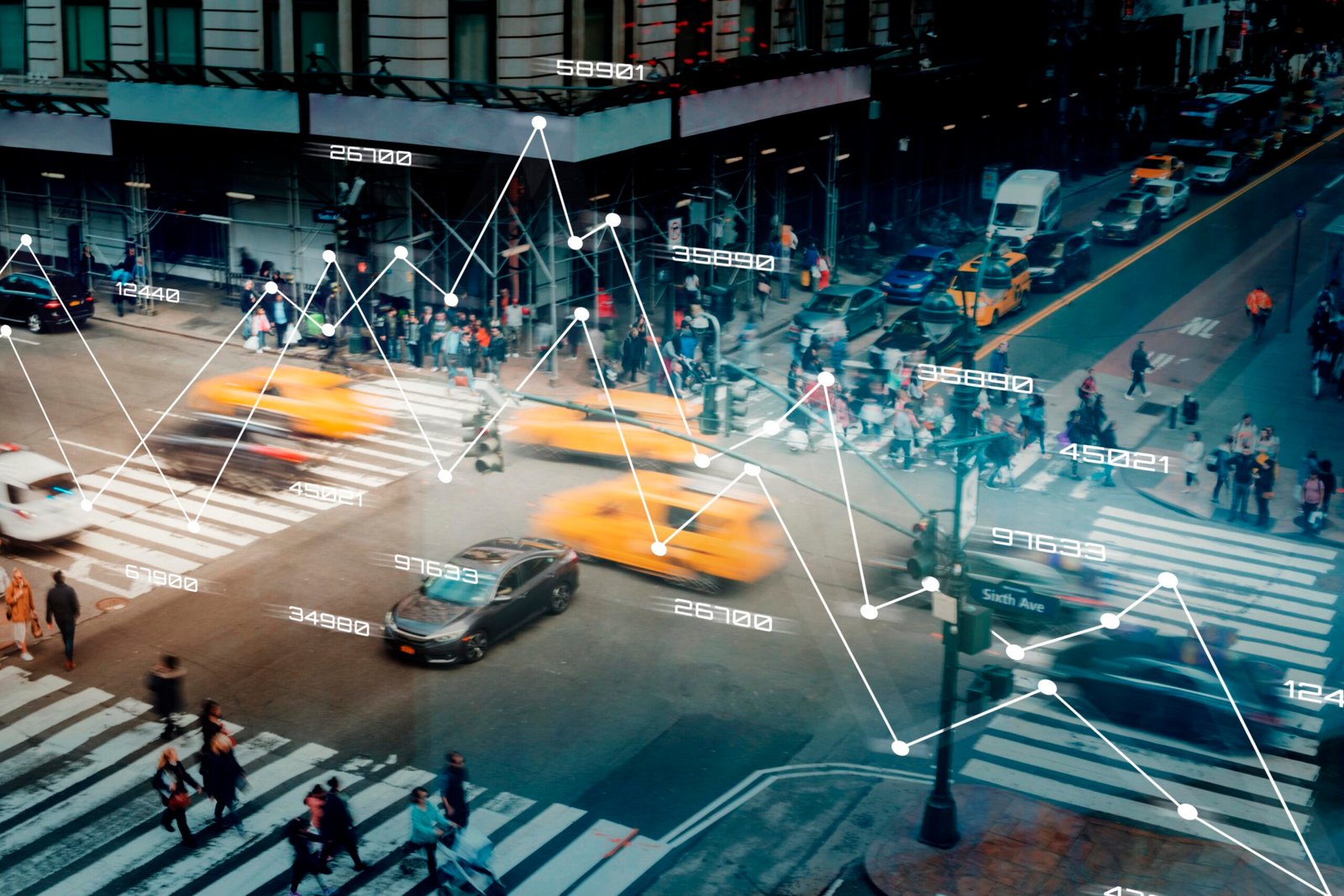
The use of transportation systems is core to the effective operations of cities and the efficiency of transportation systems determines the productivity of the economy, quality of the environment, and comfort of everyday people. The roads, transport systems, walking paths, bicycle lanes, and traffic control systems have to work together to facilitate the unending traffic throughout the urban territory. Transportation flow perception is based on coordination and balance and not speed because movement without control is known to result in congestion, stress, and inefficiency. Cities will have better access and reliability when the transportation systems are flow aware.
Traffic jam does not always have one cause but rather it is a product of poor planning and inconsistent enforcement coupled with imbalanced demand. Transportation planning that is based on awareness focuses on maximizing the utilization of the current infrastructure by means of intelligent signal coordination, designation of routes, and demand control instead of completely depending on road expansion. It is possible to use the efficient flow that will minimize the travel time, the use of fuel, and emissions and enhance the user experience and the safety. Consciousness changes to be more conscious of reactive solutions instead of sustainable improvements.
Necessary transport systems are important in controlling traffic in the expanding cities. Buses, rail, and shared transportation will decrease the reliance on personal cars and create a balance in the demand within networks. The consciousness brings out the role of providing a dependable scheduling, sufficient transit coverage, and smooth integration of transit modes. The accessibility and less congestion pressure in the roads is improved by well coordinated transport systems.
The pedestrian and cycling infrastructure also helps to improve the safety and livability of urban life. Consciousness promotes the development of a walkable neighborhood with secure crossings, safe pathways, and easy routes that would serve various users. Embracing the need to promote movement without the use of a motor vehicle enhances the health of a population, minimizes accidents and promotes more accommodating cities. Community connectivity is enhanced through walkability.
Traffic light control is an important aspect of transportation flow consciousness. Jamming signals cause congestion, delays and frustrations to the road users. The insight contributes to having adaptive traffic control systems which are responsive to real-time and volume of traffic. Smart signal coordination is more efficient in flow and environmental impact is minimized.
The demand and congestion patterns of transportation are directly influenced by urban land-use planning. Awareness zoning encourages mixed-use development which minimizes the use of long-distance transportation and encourages efficient transportation. Transportation systems are not strained when residential, commercial and recreational areas have been balanced. Unified planning aids in the smooth flow.
Safety and efficiency of transportation depend on maintenance of the roads. Consciousness is focused on repairing the aircraft in time, clear markings, and the state of the surfaces to avoid accidents and delay. Good roads provide continuity in traffic and minimize the damage of vehicles. System reliability is maintained through maintenance.
The services of emergency response are reliant on uncomplicated and dependable transportation paths. The awareness-based planning makes sure that the priority corridors and access routes are not blocked at the time when the traffic is the greatest one. An efficient transportation flow will enhance emergency response and save lives. Preparedness is essential.
Parking management plays a major role in the circulation of traffic within the cities. Lack of control in parking causes traffic jam, unnecessary driving and unsafe conditions. Parking plans based on awareness provide a balance between availability and turnover to minimize the unnecessary circulation. Parking is well-organized, and it contributes to improvement in traffic movement.
Transportation efficiency is very dependent on the human behavior. The awareness promotes adherence to road regulations, respectful behaviour, and responsible actions by both the road users; the drivers, bicycle users and the pedestrians. The cooperation leads to the minimization of conflicts and promotes safety throughout the transportation systems. Consciousness brings about collective responsibility.
Transport systems are closely related to environment impact. Sensitization will encourage the use of low-emission modes of transport, efficient transportation, and minimization of idling to enhance air quality. Sustainable transportation planning is in favor of future environmental health and social welfare. Cities are advantageous when they are cleaner.
The capacity of transportation infrastructure has to change with the population increase. It is the awareness based planning that looks ahead and preempts the demand by modifying the systems in advance to avoid overload. Capacity planning in the long run minimises congestion and strain on infrastructure. Planning facilitates sustainability.
The use of technology has become a significant tool in the management of the contemporary transport systems. Awareness favors utilization of data analytics, senses, and monitoring mechanisms to guide the planning and reaction. Technology enhances decision-making and flexibility of system. The informed systems work better.
Education of the population makes transportation systems more efficient. The awareness programs enable the users to know the routes, rules and safety procedures, minimising confusion and contradiction. Users that get educated work better in transportation networks. Knowledge improves flow.
Transportation equity is a quality that entails accessibility of efficient mobility to every community. Consciousness will facilitate inclusive planning of transportation that will serve many people. Justices help in social cohesion and economic opportunities.
Finally, transportation flow awareness turns urban movement to a foundation of exasperation to a base of effectiveness and security. On the one hand, when the systems are synchronized, serviced, and comprehended, cities will work more efficiently and in a more sustainable manner. Knowledge is a power of superior planning and daily application